Where Stinging Insects Commonly Build Nests Around Buildings
To control stinging insects around buildings, local service providers can identify common nesting spots like eaves, wall voids, or shrubs and safely remove or treat nests.
Understanding where stinging insects commonly build nests around buildings can help property owners identify potential hazards and take proactive steps to protect their spaces. Many of these insects prefer sheltered, undisturbed areas that provide easy access to food and water sources, such as eaves, attics, wall voids, and shrubbery close to structures. Recognizing these common nesting sites allows property owners to better assess their surroundings and consider the benefits of professional stinging insect control services, which can safely remove nests and prevent future infestations.
For those concerned about the safety and comfort of their homes or workplaces, connecting with experienced local contractors can be an effective way to address nests before they become a bigger issue. These service providers have the expertise to identify nesting hotspots around buildings and implement targeted removal strategies. Exploring options for stinging insect control can help property owners maintain a safer environment, especially in areas where nests are likely to develop in hidden or hard-to-reach locations.
- Stinging insect nest removal - when nests are found near buildings, local contractors can safely remove them to prevent stings and infestations.
- Yard and eaves inspection services - if there are signs of nests around eaves or in the yard, service providers can identify and treat these common nesting sites.
- Exterior building treatment - in cases where nests are built on walls or under roof overhangs, local specialists can apply targeted treatments to eliminate the insects.
- Hanging nest removal - when stinging insects establish nests hanging from trees or structures, local contractors can carefully remove them to reduce risks.
- Insect deterrent installation - for ongoing protection around buildings, service providers can set up deterrents to discourage future nesting in typical locations.
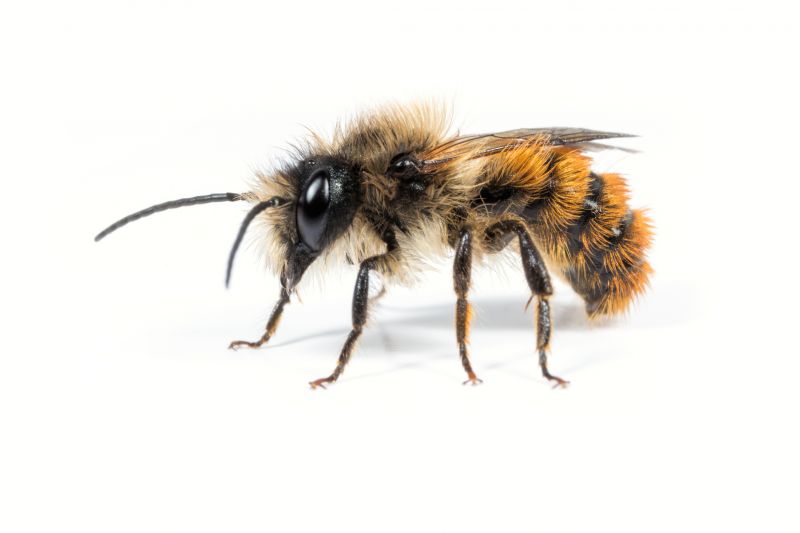
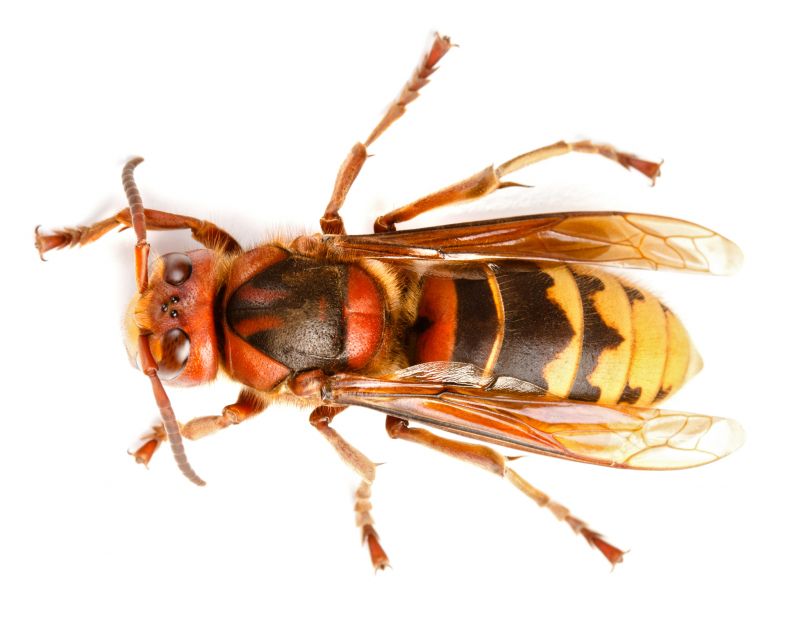
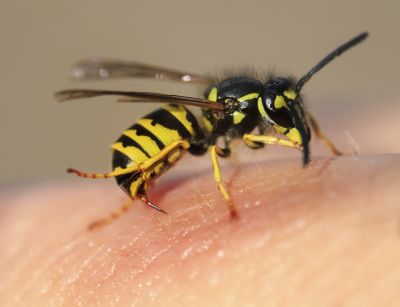
When people search for where stinging insects commonly build nests around buildings, they are often concerned about identifying potential trouble spots around their property. These searches typically relate to issues like the risk of stings, property damage, or the need to remove or prevent nests that pose safety concerns. Homeowners may be planning pest control measures or seeking advice on how to spot early signs of nest development. Understanding the common locations where these insects tend to establish colonies helps in making informed decisions about property maintenance and safety, and it highlights the importance of connecting with local service providers who specialize in stinging insect control.
Stinging insects such as wasps, hornets, and yellowjackets tend to favor specific areas around buildings for nesting. They often choose sheltered spots that offer protection from the elements and easy access to food sources. These locations include eaves, soffits, and roof overhangs, where the insects can build nests in hidden corners. They also frequently establish colonies in wall voids, attic spaces, or under decks and porches. These areas provide a safe environment for the colony to grow while remaining out of direct sight, making early detection challenging for homeowners. Local pros are experienced in inspecting these typical nesting sites and can determine the best approach for removal or prevention.
Certain property types are more prone to nesting issues due to their design or location. Residential homes with overhanging roofs, large trees nearby, or structures with gaps and cracks are common targets for stinging insects. Commercial buildings, especially those with loading docks, storage areas, or unused spaces, can also attract colonies. Additionally, outbuildings like sheds, barns, or garages are frequent nesting sites because they often have sheltered, undisturbed areas. Recognizing these property features helps homeowners understand where nests are most likely to develop and when to seek professional assistance. Service providers can then focus their inspections on these high-risk areas to effectively manage stinging insect activity.
Understanding where stinging insects commonly build nests around buildings is essential for property owners aiming to prevent or address infestations. Early identification of potential nesting sites can reduce the risk of stings and property damage. Connecting with local pros who have experience in inspecting and removing nests ensures that the job is handled safely and efficiently. These specialists can assess the property’s structure, locate hidden colonies, and implement effective control measures tailored to each situation. Properly managing nesting sites not only enhances safety but also helps maintain the integrity of the building’s exterior, making it a practical step in overall property care.
Wildlife Removal Projects - wildlife removal specialists often handle the removal and exclusion of pests that build nests around buildings, similar to stinging insect control efforts.
Bird Nest Prevention - professionals who install bird deterrents and nest prevention systems utilize planning and tools comparable to those used for managing stinging insect nests.
Building Inspection Services - building inspectors identify vulnerable areas where stinging insects may nest, requiring similar assessment skills used in pest prevention projects.
Exterior Home Repair - contractors performing exterior repairs often address areas prone to insect nesting, involving planning and tools relevant to insect nest management.
Gutter and Eaves Maintenance - maintenance services around gutters and eaves involve inspecting and clearing areas that are common nesting sites for stinging insects.
Structural Pest Prevention - pest prevention specialists focus on identifying and sealing entry points, skills that align with controlling where stinging insects build nests around buildings.
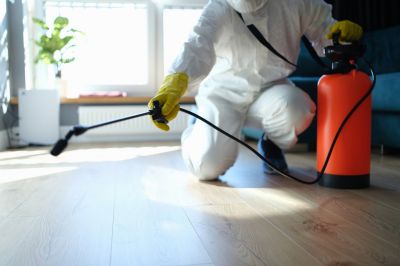
When evaluating service providers for stinging insect control around buildings, it is important to consider their experience with similar projects. Local contractors who have handled nests in locations like eaves, wall voids, or beneath decks are more likely to understand the common nesting habits of stinging insects and the best methods to address them effectively. An experienced professional can assess the specific areas around a property where these insects tend to build nests and recommend targeted solutions, reducing the likelihood of recurring problems.
Clear, written expectations are essential when comparing local pros for stinging insect control services. Homeowners should look for providers who can explain their approach, including the methods they plan to use, the scope of work, and any preparations needed beforehand. Having this information in writing helps ensure that both parties are aligned on the work to be performed and can prevent misunderstandings. This clarity allows homeowners to make informed decisions and select a contractor who communicates transparently and thoroughly.
Reputable references and good communication are key factors to consider when choosing a local contractor for nest removal and control. Service providers who can provide references from previous clients demonstrate a track record of successful work in similar situations. Additionally, responsive and clear communication during the inquiry process indicates a professional approach and attentiveness to customer needs. These qualities help build confidence that the contractor will be reliable and attentive throughout the project, ensuring the homeowner’s concerns about where stinging insects commonly build nests around buildings are addressed effectively.
Property owners often search for where stinging insects commonly build nests around buildings when they are planning practical projects around their homes and businesses. Local pros provide Stinging Insect Control services for everyday jobs and straightforward project options.
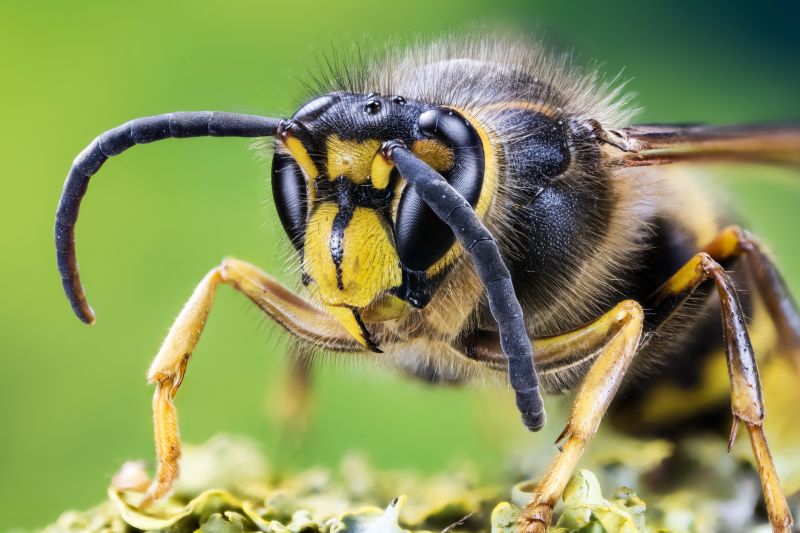

Stinging insects such as wasps, hornets, and yellowjackets often choose to build their nests around buildings in areas where they feel protected and accessible. Common sites include eaves, soffits, and roof overhangs, as well as wall voids, window frames, and door frames. These locations provide shelter from the elements and easy access to nearby food sources, making them attractive spots for nest construction. Property owners noticing increased insect activity or signs of nests in these areas might consider seeking the expertise of local contractors who specialize in stinging insect control.
Understanding where stinging insects commonly build nests around buildings can help property owners identify potential problem areas early. Nests can sometimes be hidden inside wall cavities or under roof eaves, making professional inspection and removal necessary for safety and effective control. Local service providers experienced in stinging insect control can assess these common nesting sites and provide targeted solutions to remove nests and prevent future infestations. Connecting with local contractors ensures that property owners receive appropriate assistance for managing these insects around their buildings.
Where do stinging insects typically build nests around buildings? Stinging insects often build nests in sheltered areas such as eaves, soffits, wall voids, and beneath roof overhangs around buildings. Local contractors experienced in stinging insect control can identify these common nesting spots and safely remove or treat them.
Are there specific areas around buildings where nests are more likely to be found? Nests are most commonly found in hidden or protected spots like behind shutters, inside wall cavities, under decks, or in tree branches close to structures. Professional pest control services can locate these areas and handle nest removal effectively.
Why do stinging insects prefer building nests near buildings? Stinging insects seek out sheltered, stable environments that provide protection from weather and predators. Local pros can assess your property to identify and eliminate these attractive nesting sites.
Can nests be built in hard-to-reach areas around buildings? Yes, nests can be constructed in difficult-to-access locations such as inside wall voids or high eaves. Service providers have the tools and experience to safely access and remove nests in these areas.
How can local pros help prevent stinging insects from building nests around buildings? They can perform inspections to identify potential nesting sites, remove existing nests, and implement exclusion methods to reduce the likelihood of new nests forming near structures.
Identify common nesting spots - property owners can inspect areas like eaves, soffits, and window frames to spot potential nesting sites where stinging insects frequently build nests around buildings, enabling timely professional removal.
Assess structural vulnerabilities - noting cracks, gaps, or damaged siding helps property owners understand where insects may establish nests, encouraging them to seek services from local contractors for effective sealing and nest removal.
Monitor shaded or sheltered areas - observing locations such as shrubbery, overgrown vegetation, or shaded corners can reveal where stinging insects tend to build nests around buildings, prompting professional intervention.
Implement preventative measures - property owners can work with local pros to modify or eliminate common nesting sites, such as trimming vegetation or installing barriers, to reduce the likelihood of stinging insect nests near buildings.
If you are thinking about where stinging insects commonly build nests around buildings for a property, this guide is meant to help you understand this topic, the typical project types, and how different options might fit your plans.
When you are ready, you can use the quote form on this page to share a few details about your project. From there, local pros can review the basics and follow up with options that match what you have in mind.