Common Stinging Insects That Invade Homes
To effectively manage common stinging insects that invade homes, local service providers can identify and eliminate nests, providing safe and lasting control solutions.
Many property owners in the area find themselves facing unwelcome visitors during warmer months-common stinging insects that invade homes. These insects, which can include various types of wasps, hornets, and yellow jackets, often seek shelter in attics, wall voids, or other hidden spaces around the house. Recognizing the signs of an infestation early can help prevent potential stings and property damage, making it a practical concern for homeowners and landlords alike. Exploring this topic can provide valuable insights into the behaviors of these insects and highlight the importance of professional assistance to manage and eliminate nests safely and effectively.
Understanding which stinging insects are most likely to invade homes helps property owners take proactive steps to protect their spaces. Local contractors specializing in stinging insect control have the experience and tools to handle infestations efficiently, reducing the risk of bites and preventing future invasions. Whether dealing with an active nest or simply seeking advice on prevention, connecting with knowledgeable service providers can make a significant difference in maintaining a safe and comfortable home environment. Keep reading to learn more about these common pests and how local experts can help manage them.
- Common stinging insects that invade homes - local contractors can identify and remove nests to prevent infestations.
- Hornets and wasps around the house - service providers use targeted treatments to eliminate active colonies safely.
- Yellow jackets inside or near the structure - experienced pros can locate and treat nests to reduce stinging insect activity.
- Paper wasps building nests on eaves or walls - local experts can remove existing nests and prevent future invasions.
- Ground-nesting insects near the home - service providers can implement control methods to address these hidden colonies effectively.
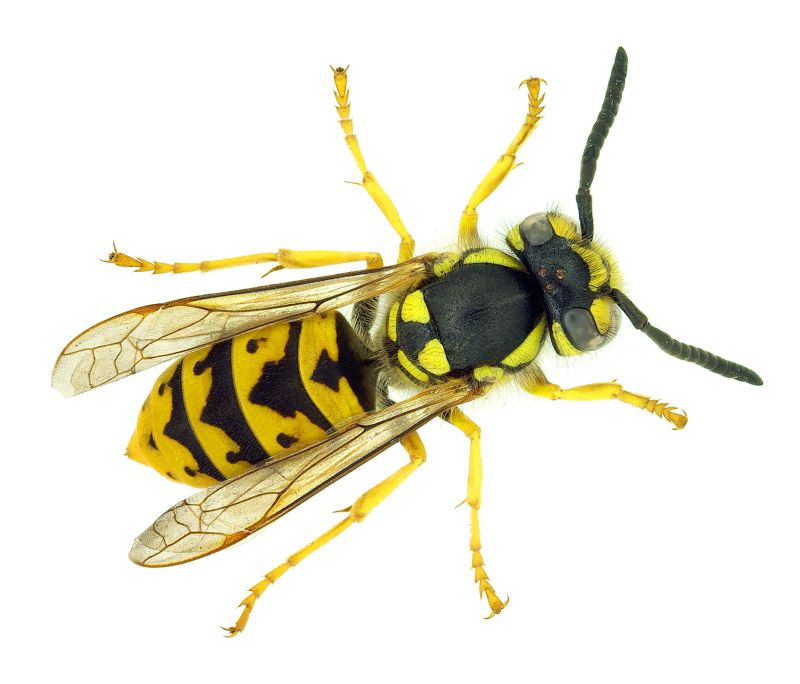


When people search for information about common stinging insects that invade homes, they often want to understand which insects pose a threat and how to identify them. These searches typically stem from experiencing or noticing insects around the property, especially near entry points like eaves, vents, or window frames. Homeowners are usually concerned about the safety of their families and pets, and they seek guidance on how to prevent or eliminate these pests effectively. Recognizing which insects are most likely to invade helps in planning appropriate control measures and choosing the right service providers for the job.
The problems associated with common stinging insects that invade homes often involve nests built close to or within the structure, leading to increased chances of accidental stings. These insects can become aggressive if disturbed, creating safety hazards for residents and visitors. Many property owners consider treatment options to remove or control nests, especially when insects are seen entering or exiting the home regularly. Planning for pest control usually involves assessing the extent of the infestation, identifying the species involved, and implementing targeted removal or exclusion strategies. Local contractors who specialize in stinging insect control can provide the expertise needed to handle these situations safely and effectively.
Properties most commonly affected by these insects tend to be residential homes, especially those with nearby trees, shrubs, or other vegetation that provides ideal nesting sites. Attics, wall voids, and roof eaves are frequent locations for nests, as they offer sheltered spaces. Homes with open eaves, poorly sealed vents, or damaged siding are more vulnerable to invasions. Additionally, structures in suburban or rural areas with abundant greenery are more likely to attract these insects. Identifying the type of property and understanding its vulnerabilities can help homeowners take proactive steps, often with the assistance of local service providers, to prevent future invasions and maintain a safe living environment.
Understanding the common stinging insects that invade homes is essential for effective pest management. Local pros who specialize in stinging insect control can evaluate the specific situation, identify the species involved, and recommend appropriate treatment options. Whether it’s removing a nest or sealing entry points, these experts can help address the problem safely and efficiently. Homeowners should consider professional assistance when dealing with invasive stinging insects to reduce the risk of stings and prevent further infestations. Connecting with local contractors ensures that the job is handled by experienced professionals equipped to manage these pests in residential settings.
Pest Inspection Services - Professionals skilled in identifying insect nests and entry points can help locate areas where stinging insects invade homes, aiding in targeted removal strategies.
Wildlife Removal Projects - Techniques used to remove larger pests like wasps and hornets often overlap with stinging insect control, requiring careful planning and specialized tools.
Yard and Landscape Maintenance - Landscaping projects that involve trimming or removing potential nesting sites can reduce the likelihood of stinging insects invading indoor spaces.
Sealing and Repair Work - Sealing cracks and gaps in walls or foundations is a common approach shared with stinging insect prevention to block entry points.
Structural Pest Control - Treatments aimed at eliminating pests within structures often include protocols relevant to controlling stinging insects that nest inside or around homes.
Insect Trap Installation - Setting up traps for various pests involves similar skills and tools used in managing stinging insect populations around residential properties.
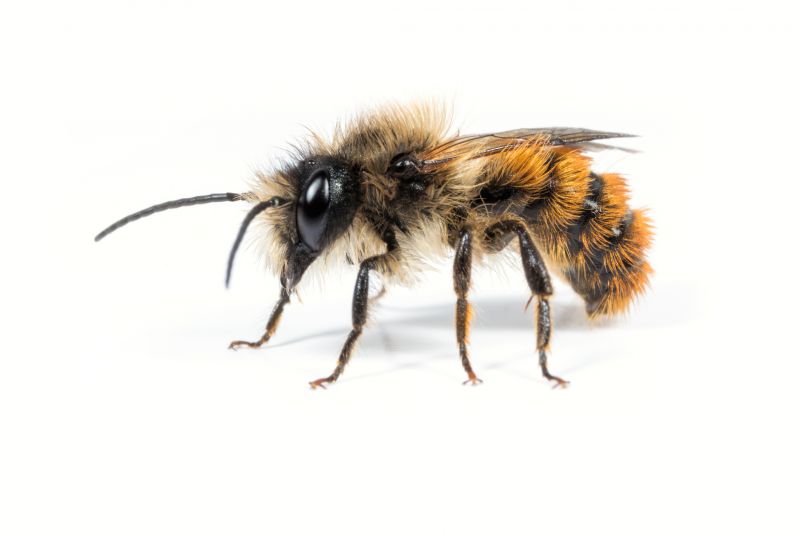
When comparing service providers for stinging insects control, it is important to consider their experience with similar projects. Homeowners should look for local contractors who have a proven track record in managing common stinging insects that invade homes, such as wasps, hornets, and yellow jackets. An experienced provider will understand the unique challenges posed by these pests and be better equipped to recommend effective treatment strategies. Additionally, asking for clear written expectations can help ensure that both parties are aligned on the scope of work, methods used, and any follow-up procedures, reducing misunderstandings and providing peace of mind.
Reputable references are a valuable resource when evaluating local contractors. Homeowners can seek out reviews or testimonials from previous clients who had similar stinging insects issues, which can provide insight into the quality of service and the level of professionalism. It’s also helpful to verify that the service provider maintains a transparent communication style, making it easy to ask questions and receive timely, straightforward answers. Good communication can lead to a smoother process, ensuring that homeowners feel informed and confident in the work being performed.
Ultimately, selecting a service provider involves assessing how well they communicate and their ability to deliver clear, detailed information about the process. A reliable local contractor will be willing to discuss their approach, answer questions about treatment options, and explain what homeowners can expect during and after the service. By focusing on experience with similar projects, checking reputable references, and prioritizing open communication, homeowners can make more informed decisions when choosing a professional to handle common stinging insects that invade homes.
Property owners often search for common stinging insects that invade homes when they are planning practical projects around their homes and businesses. Local pros provide Stinging Insects Control services for everyday jobs and straightforward project options.
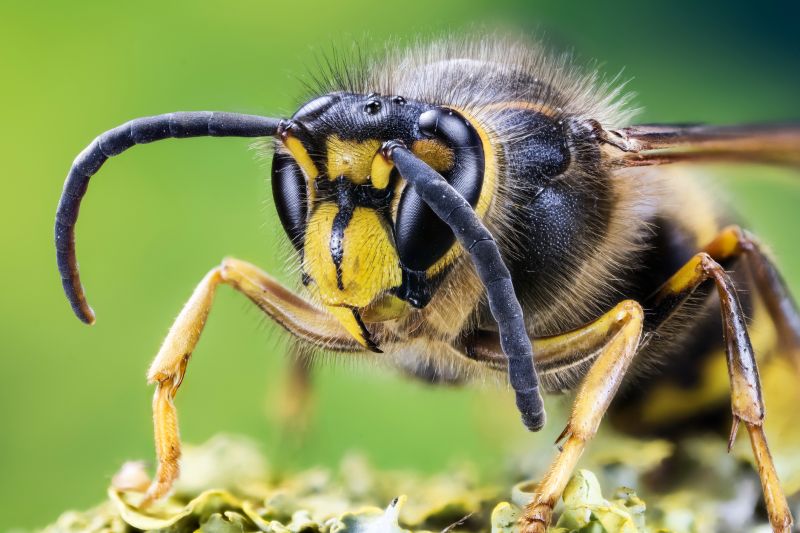
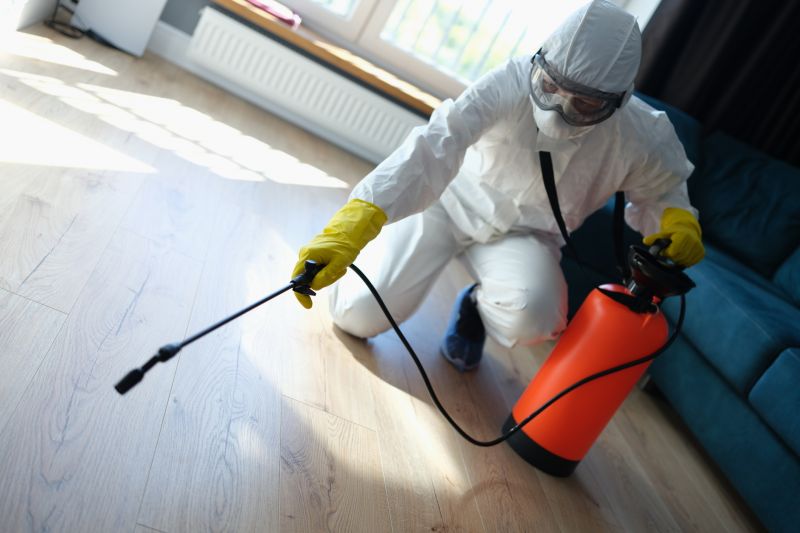
Homeowners in the area often encounter common stinging insects that invade homes, especially during warmer months when these pests seek shelter and food sources. These insects, such as wasps, hornets, and yellow jackets, can build nests in eaves, attics, or wall voids, making it challenging to remove them safely without professional assistance. Property owners might look up this topic when noticing increased insect activity around their homes or when discovering nests that pose a risk to household occupants. Seeking help from local contractors who specialize in stinging insects control can provide effective solutions to eliminate these pests and prevent future invasions.
Understanding the types of stinging insects that commonly invade homes helps residents identify potential problems early on. When nests are found in or near the house, it’s often wise to consider professional services to handle the removal safely and thoroughly. Local service providers who focus on stinging insects control have the experience and tools necessary to address these issues efficiently. Contacting these experts can help property owners protect their homes from the nuisance and dangers associated with these insects, ensuring a safer living environment.
What are some common stinging insects that invade homes? Common stinging insects that invade homes include wasps, yellow jackets, paper wasps, and hornets. These insects often seek shelter in wall voids, attics, or eaves, especially during late summer and fall.
Why do these insects invade homes? These insects invade homes to find shelter, build nests, or access food sources like sugary drinks or sweet foods. They are attracted to areas with accessible openings or structural gaps.
How can local contractors help remove stinging insects from my home? Local contractors can identify insect nests, safely remove or treat them, and seal entry points to prevent future invasions. They use targeted methods to eliminate stinging insects and their nests effectively.
Are there signs that indicate a stinging insect infestation inside my home? Signs include visible nests near eaves, walls, or attic spaces, increased activity of insects around entry points, or the presence of stinging insects inside or near the house.
What steps can be taken to prevent future invasions of stinging insects? Preventative measures include sealing cracks and gaps, removing food and sugary substances, and scheduling regular inspections by local service providers to monitor for early signs of nests or activity.
Identify nesting sites - property owners can inspect their homes for signs of nests in eaves, attics, or wall voids and seek help from local contractors to safely remove or treat these areas.
Seal entry points - sealing cracks, gaps, and openings around windows, doors, and utility lines can prevent stinging insects from gaining access, with local pros providing effective sealing solutions.
Remove attractants - clearing away food debris, sugary drinks, and standing water around the home reduces attractants for common stinging insects that invade homes, supported by professional advice on maintaining pest-free surroundings.
Schedule regular inspections - periodic checks by local service providers can catch early signs of infestations, allowing for prompt treatment and nest removal to keep stinging insects from establishing inside the home.
If you are thinking about common stinging insects that invade homes for a property, this guide is meant to help you understand this topic, the typical project types, and how different options might fit your plans.
When you are ready, you can use the quote form on this page to share a few details about your project. From there, local pros can review the basics and follow up with options that match what you have in mind.